What a Blood Test Is Looking For
What the vet is actually measuring
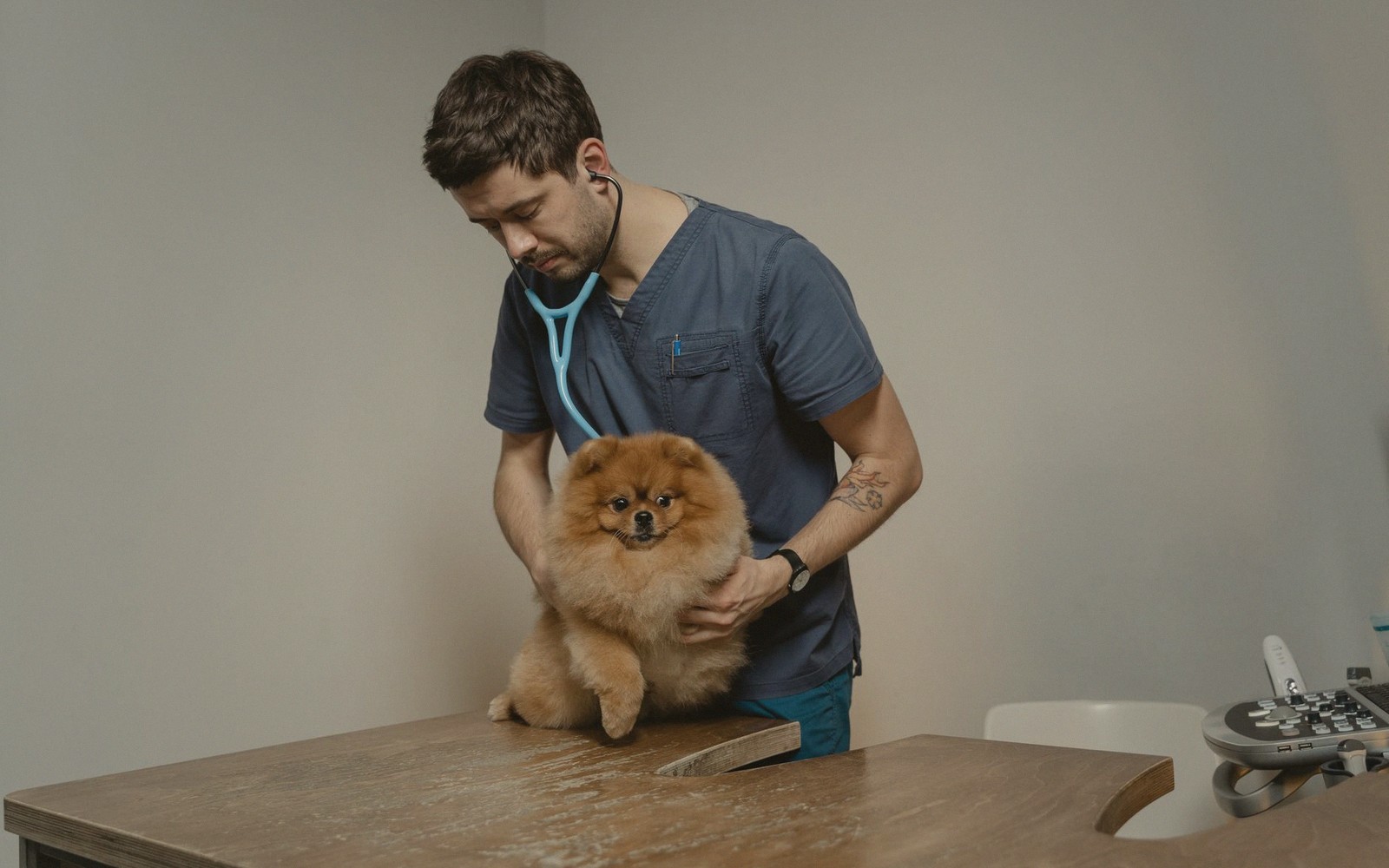
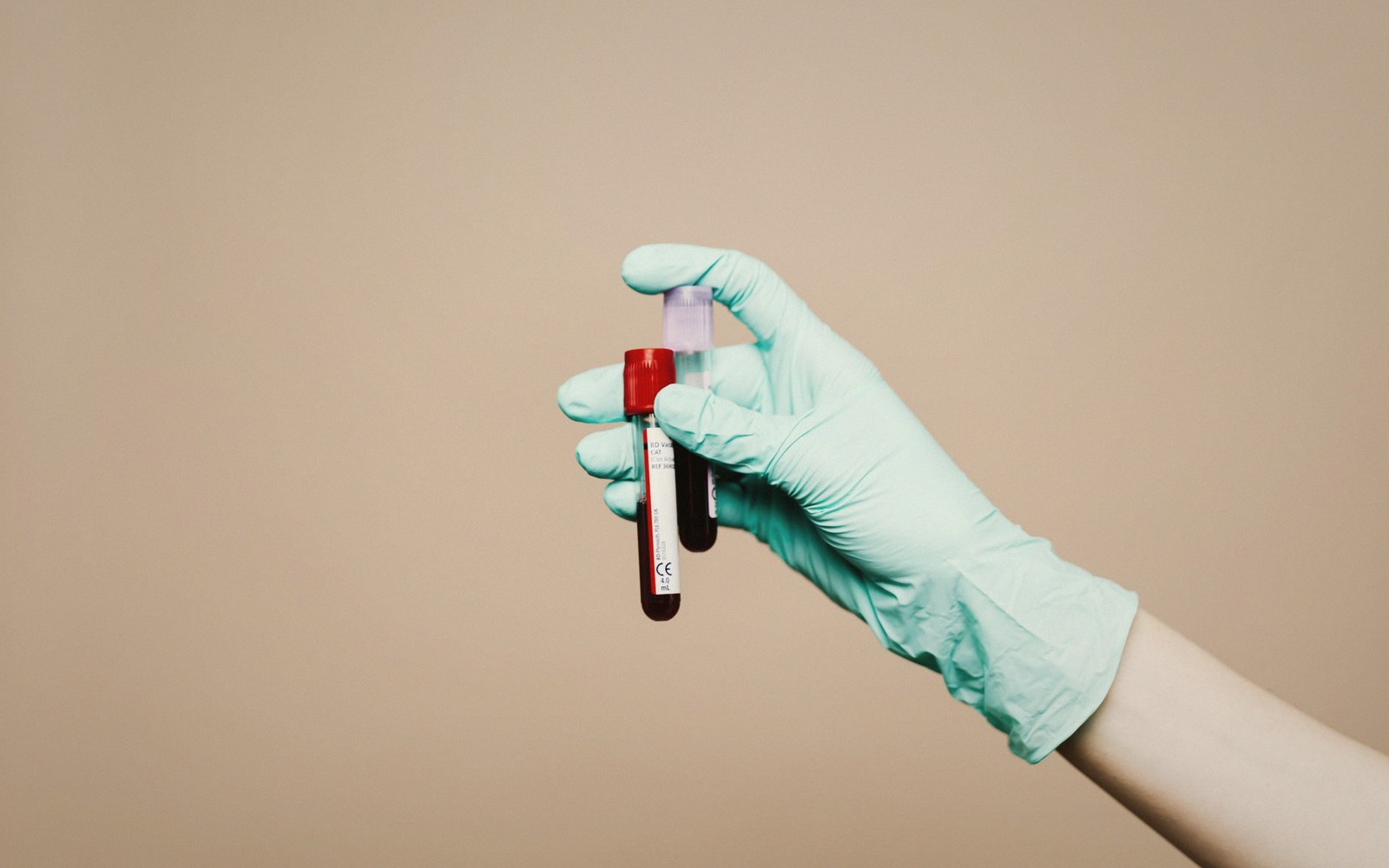
A blood test is not a single reading. It is a set of readings, usually drawn from one small sample, that give the vet a picture of what is happening inside organ systems that cannot be examined by hand. The consultation tells the vet a great deal — what a vet's hands are reading during a physical examination tells the story on the outside — but blood work tells the story from the inside.
Most practices run two broad panels, often at the same time. The first is the haematology panel, sometimes called a complete blood count or CBC. The second is the biochemistry panel, which looks at organ function and chemical balance. A third strand, endocrinology, tests hormone levels and runs separately. Understanding roughly what each panel is doing helps you make sense of the results when they come back, and helps you understand why the vet ordered it in the first place.
The haematology panel — counting what is in the blood
Blood is not just liquid. It contains three populations of cells, each with a different job, and the haematology panel counts and describes all three.
Red blood cells carry oxygen around the body. The panel measures how many are present, how large they are, and how much haemoglobin — the iron-containing protein that actually holds the oxygen — they contain. Too few red cells, or red cells that are misshapen or pale, points toward anaemia. The cause might be blood loss, the body destroying its own cells, a nutritional deficit, or the bone marrow failing to produce enough in the first place. The pattern of the abnormality helps the vet tell those causes apart.
White blood cells are the immune system's workforce. The panel does not just count them in total; it performs a differential, meaning it identifies the different types — neutrophils, lymphocytes, eosinophils, monocytes and basophils — and counts each one separately. A high neutrophil count usually points toward bacterial infection or inflammation. A high lymphocyte count can suggest a viral response or, if the elevation is extreme, a concern about lymphoma. A high eosinophil count often points toward parasites or allergy. The differential is one of the most information-dense parts of the whole blood test.
Platelets are tiny cell fragments responsible for clotting. A low platelet count — thrombocytopaenia — means the blood will struggle to form a clot, which matters both as a diagnosis and as a safety check before any surgery or invasive procedure. Very high counts can occur with inflammation or, sometimes, with certain cancers.
The biochemistry panel — reading the organs
While haematology looks at the cells in the blood, biochemistry looks at what is dissolved in the liquid part, the serum. Different molecules and enzymes leak from different organs when those organs are under stress or damaged, and the panel uses that as a read-out.
The liver has several markers. Alanine aminotransferase, almost always abbreviated to ALT, is an enzyme that sits inside liver cells; when those cells are damaged or inflamed, ALT leaks out and blood levels rise. Alkaline phosphatase, ALP, reflects a different kind of liver stress and can also be elevated with bone disease or steroid use. Bilirubin, the yellow pigment produced when red blood cells are broken down, is processed by the liver; if it accumulates in the blood, it can cause jaundice. The vet looks at these markers together rather than in isolation, because an isolated rise means something different from a pattern of rises across the whole panel.
The kidneys are read differently. Creatinine is a waste product of normal muscle activity, filtered out of the blood by healthy kidneys; when the kidneys are not filtering properly, creatinine climbs. A companion marker, blood urea nitrogen or BUN, also rises with reduced kidney function. In recent years, a more sensitive early marker called SDMA — symmetric dimethylarginine — has become widely used in veterinary medicine. SDMA can indicate reduced kidney function before creatinine rises, which is why it is now included on most routine senior panels for cats and dogs. Catching the early phase of kidney disease gives far more options for management.
Glucose measures blood sugar. A single elevated reading can reflect stress — anxious animals genuinely push their blood glucose up temporarily, and cats are particularly prone to this — so the vet always reads the number in context. A persistent elevation points toward diabetes. A low reading can indicate liver disease, an insulin-secreting tumour, or a young or small animal that has fasted too long.
Electrolytes — sodium, potassium, chloride, bicarbonate — tell the vet about fluid balance, kidney function, and whether an animal is acidotic or alkalotic. They are particularly important in animals that have been vomiting, not eating, or receiving intravenous fluids. A potassium abnormality, for instance, can directly affect heart rhythm, so electrolytes are not a footnote on the panel; they are essential reading.
Albumin, the main protein in the blood, is made in the liver and reflects both liver function and the nutritional state of the animal. A low albumin in a cat that has been poorly for some weeks tells a different story from a low albumin in a dog that presented acutely.
Total protein, calcium and phosphorus round out most standard biochemistry panels. Calcium is worth particular attention: elevated calcium in a dog or cat is one of the findings that prompts the vet to look further, because it can be associated with certain cancers as well as with parathyroid disease.
Endocrinology — when hormones are the question
Hormone tests run separately from the standard panels because they are measuring completely different substances, often need specific laboratory methodology, and are usually ordered when a particular condition is already being considered rather than as a first sweep.
Thyroid testing is the most common. In cats, hyperthyroidism — an overactive thyroid gland — is one of the most prevalent diseases of middle-aged and older cats, and a total T4 measurement is the primary screening test. In dogs, hypothyroidism, an underactive thyroid, is far more common than the overactive form, and the panel typically includes both total T4 and a more specific marker called free T4. The two species run in genuinely opposite directions on this, which is worth knowing.
Cortisol testing is used when Cushing's disease — hyperadrenocorticism, excess cortisol production — or Addison's disease — hypoadrenocorticism, insufficient cortisol — is suspected. These are dynamic tests: the vet measures cortisol before and after giving a challenge dose of a synthetic hormone, and the pattern of response makes the diagnosis. A single cortisol number cannot do the job alone.
Insulin, progesterone, and various other hormones are tested in specific clinical situations but are not part of a routine screen.
No doses and no home remedies here: anything you give an animal should come from your own vet, for that animal.
Why results sometimes take a day
The answer depends almost entirely on where the sample is processed. Many practices have in-house analysers that run haematology and biochemistry panels within an hour, which is why you sometimes get results while you wait. But in-house machines vary in what they can measure; some panels, particularly endocrinology tests and anything requiring more specialist methodology, must be sent to an external laboratory. Depending on courier schedules and laboratory processing times, that can mean next-day results or occasionally a 48-hour wait.
When a sample is sent externally, the laboratory will also run the test on a calibrated machine validated against a large reference population, which adds a layer of quality assurance that matters for difficult or borderline cases. Some vets choose to send samples externally even when in-house testing is available, particularly if the case is complex and a specialist's commentary on the result would help.
Reference ranges — the band of values considered normal — are always species-specific and often age-specific. A potassium level that is entirely normal in a dog might be meaningfully low in a rabbit. In small mammals such as rabbits, guinea pigs and rats, reference ranges are narrower and the published population data is more limited than for dogs and cats, which is why exotic-animal vets often phrase results more cautiously and may discuss borderline values in more detail.
One more reason for a wait: sometimes the first result prompts the vet to request an additional test on the same sample, or to repeat a measurement that looked unexpectedly abnormal. Laboratories can often hold samples for a short time, which means that follow-up testing does not always require a second blood draw. If there is a delay you were not expecting, it is usually one of these things — the vet is trying to get the right answer rather than a fast one.
If you are worried about your animal, contact your own vet.