Asking Questions, and Second Opinions
Good vets expect to be questioned. Knowing how helps you both.
You are allowed to ask
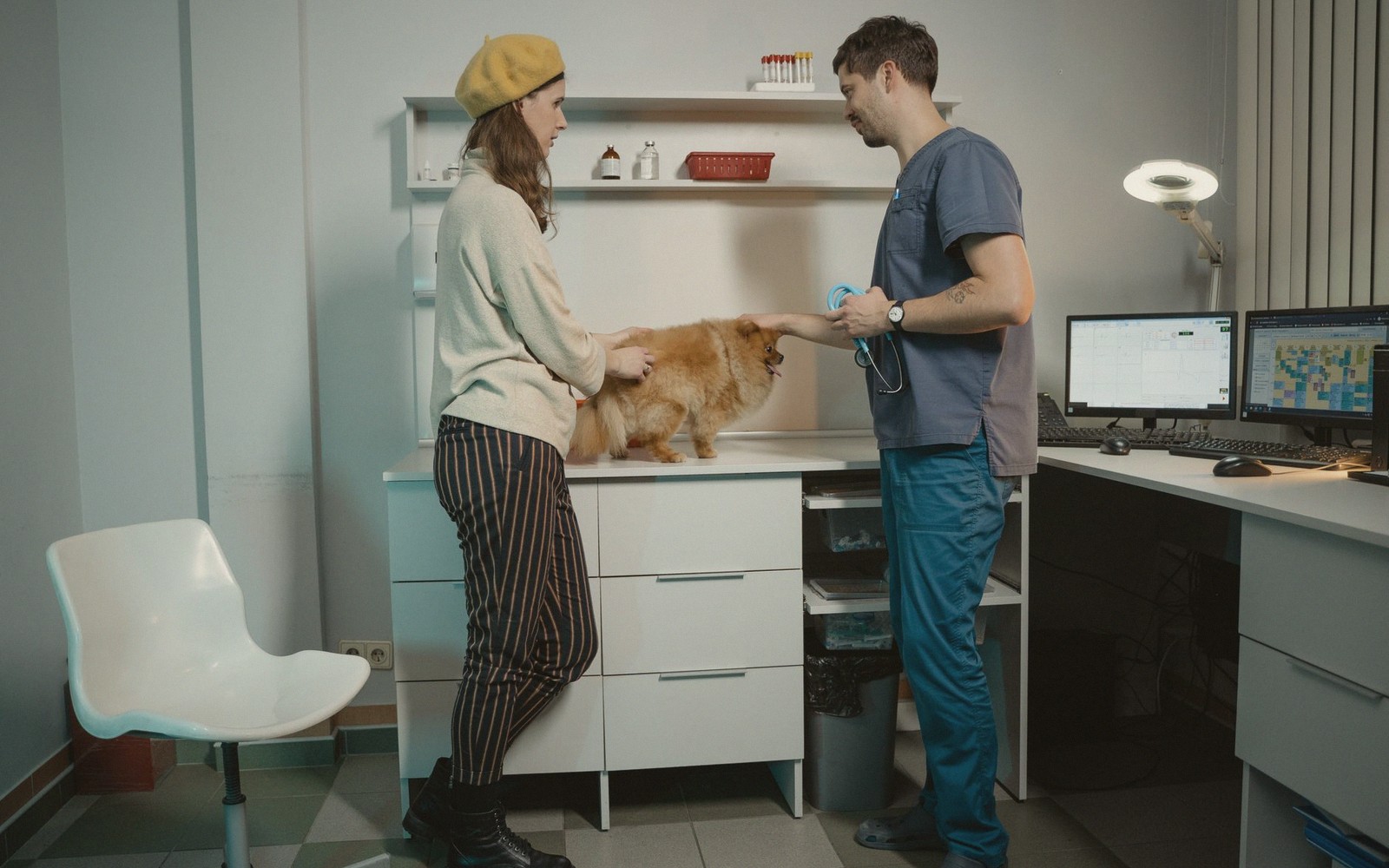
If something in the consultation leaves you uncertain — a diagnosis, a recommendation, a proposed treatment — say so before you leave the room. The most useful question is often the plainest: what are we trying to find out, and what happens if we don't do it? Vets work fast; a moment's pause to confirm you have understood is not an imposition, it is good medicine.
Write your questions down before you go. Memory compresses under pressure, and the thing you most wanted to ask tends to surface in the car park. If new questions appear after you get home, a phone call or message to the practice is entirely reasonable — most clinics field these daily.
A second opinion is also normal, and no good vet will be offended by one. It is simply another professional looking at the same animal with fresh eyes. You might seek one when a diagnosis feels unclear, when a recommended procedure is significant, or when your animal is not improving as expected. Ask your current vet for a referral if you want one; they can pass the notes and history across, which saves time and avoids repeated tests.
Specialist referrals follow the same logic but go further: a cardiologist, an oncologist, a neurologist — these are board-certified specialists who see a narrower range of cases in greater depth. Your vet can tell you whether a specialist is the appropriate next step, or whether a second general opinion is enough.
The goal throughout is the same: enough information to make a clear decision for your animal.
No doses and no home remedies here: anything you give an animal should come from your own vet, for that animal.