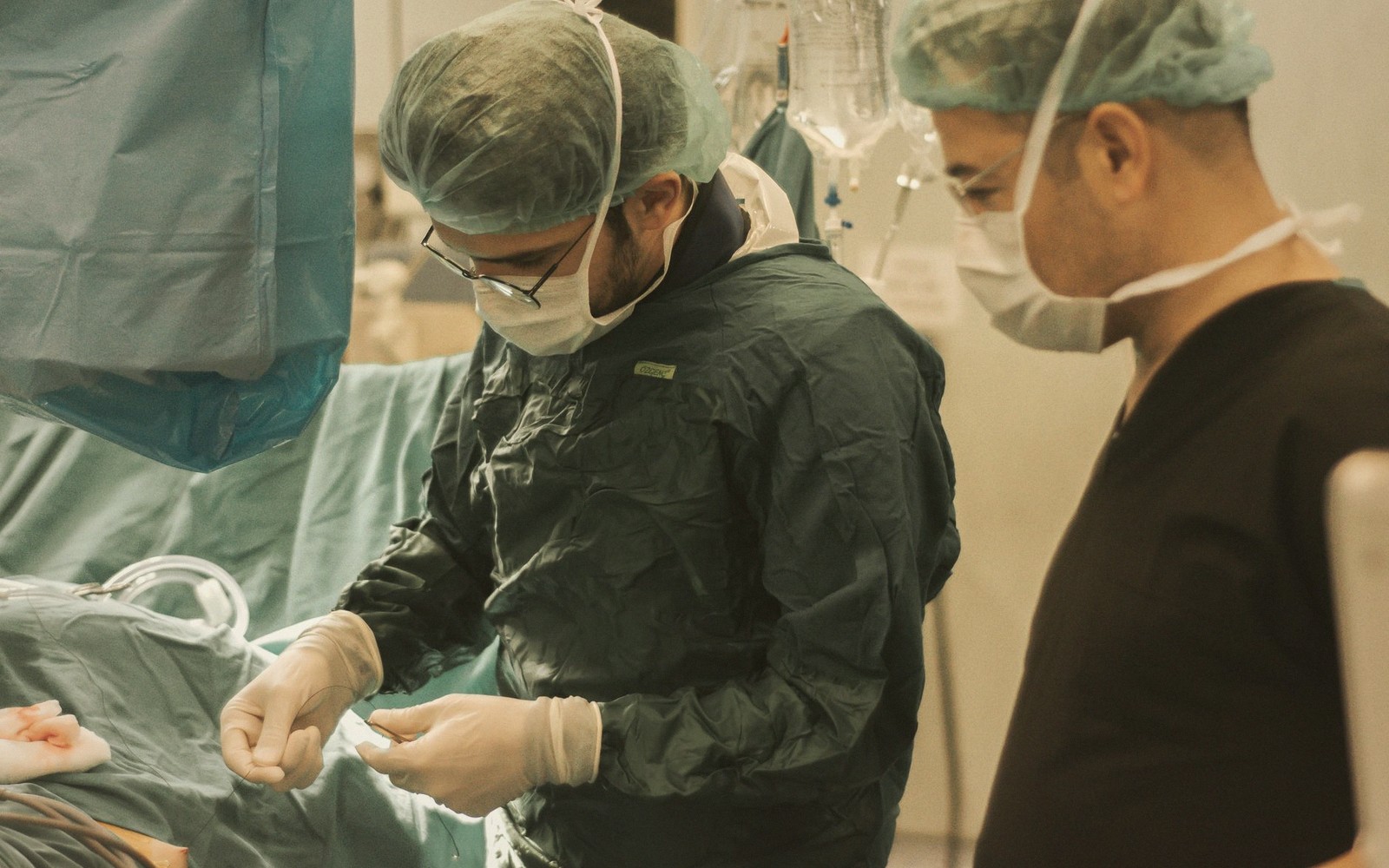
Why an Anaesthetic Is a Procedure in Itself
Before the surgeon reaches for a scalpel, a separate and substantial set of clinical decisions has already been made — and most of them are about keeping your animal safe while unconscious.
Before the Gas Goes On
A general anaesthetic does not begin when an animal goes to sleep. It begins days or sometimes weeks earlier, when the vet decides whether the patient is a good candidate for it in the first place. That decision is rarely binary — it is a calibration of risk against benefit, shaped by the animal's age, weight, breed, clinical history and the nature of the procedure itself.
The most common preparatory step is a pre-anaesthetic blood screen. This is not a formality. The panel typically looks at kidney function, liver function, red cell count and protein levels — because the drugs that produce unconsciousness are processed by the liver and cleared by the kidneys, and if either of those organs is already under strain, the margin for error narrows. A low red cell count can complicate how well tissues are oxygenated under anaesthetic; low protein can affect how drugs move through the body. None of this necessarily means surgery cannot proceed, but it means the team knows what they are working with before the first drug is drawn up. For more on what a blood panel is actually reading,and what the results mean, see the guide to that topic.
Age is not a contraindication on its own — the phrase "too old for anaesthetic" is a misconception. A healthy fourteen-year-old cat can be anaesthetised safely; the decision rests on organ function, not birthday. That said, older animals are more likely to have pre-existing changes to their kidneys, heart or liver that alter how drugs behave, which is why pre-op checks tend to be more thorough as patients age. Very young animals — neonates and early juveniles — also require extra care, because their ability to regulate body temperature and blood glucose under anaesthetic is limited. Breed matters too: flat-faced (brachycephalic) dogs and cats face particular challenges under anaesthetic because of how their airways are built, and the team will plan accordingly.
Where the procedure is more complex, or the patient has a known condition such as heart disease or diabetes, a more detailed work-up may precede the booking: imaging, a cardiology check, or a conversation with an internal medicine specialist. None of this is unusual — it is the system working as it should.
No doses and no home remedies here: anything you give an animal should come from your own vet, for that animal.
The Fasting Instruction, and Why It Is Not Optional
If you have been told not to feed your animal from the night before, the instruction has a specific physiological purpose. Under general anaesthetic, the body's normal reflexes — including the reflex that prevents stomach contents from entering the airway — are suppressed. An animal with food in its stomach can regurgitate; if that material reaches the lungs, it causes aspiration pneumonia, which is a serious and potentially fatal complication. Fasting reduces the volume of gastric contents and therefore the risk.
The standard fasting window for dogs and cats is typically somewhere in the range of eight to twelve hours for food, with water often permitted until a couple of hours before induction — though the exact instructions will come from your own practice and may vary for the specific procedure or patient. The instruction matters: arriving with a fed animal is not a minor logistical inconvenience, it is a genuine clinical problem that will likely mean the procedure is postponed.
Rabbits and small herbivores — guinea pigs, chinchillas and their relatives — are a significant exception, and this trips up owners who have had dogs or cats anaesthetised before. These animals cannot vomit; the regurgitation risk is not the concern. The much more pressing danger is gut stasis, a shutdown of normal gastrointestinal movement that can be triggered by a gap in feeding. For this reason, rabbits are typically not fasted before anaesthetic. If your rabbit is booked in, confirm the feeding instructions directly with your vet rather than assuming the same rules apply.
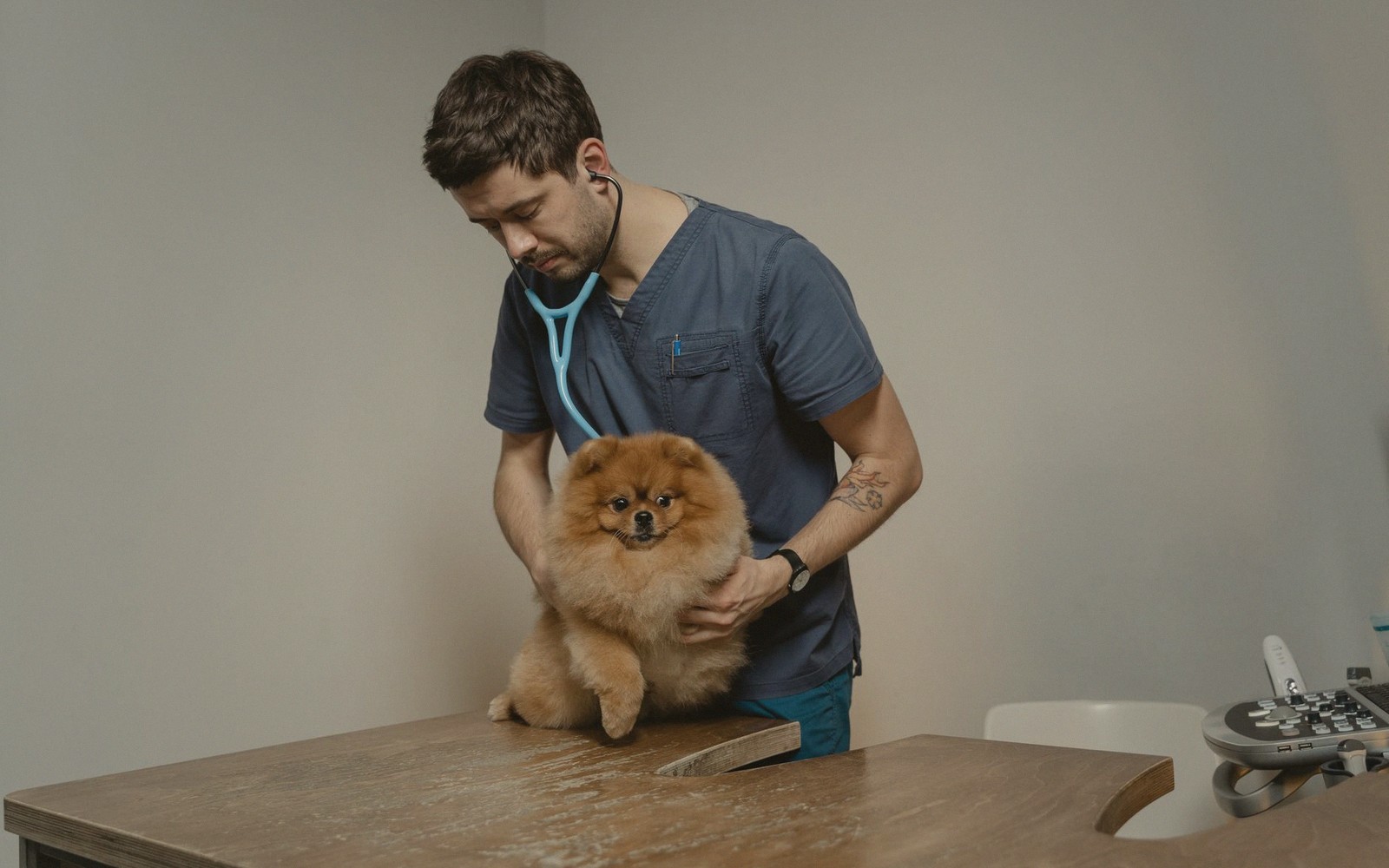
What Monitoring Looks Like During the Procedure
An animal under general anaesthetic is in a state of controlled unconsciousness, and the maintenance of that state — keeping the patient stable, not too deep, not too light, oxygenating well, with a steady heart rate and blood pressure — is an active, ongoing clinical task. It does not run itself.
In most practices, a dedicated veterinary nurse monitors the patient throughout the procedure. This is not the same person performing the surgery or the dental or the imaging. Monitoring is their whole job for the duration. They are watching a range of parameters simultaneously, typically via electronic equipment that measures pulse oximetry (the percentage of haemoglobin in the blood that is carrying oxygen), capnography (the concentration of carbon dioxide in exhaled breath, which tells you how well the lungs are functioning), heart rate and rhythm, respiratory rate, blood pressure, and temperature.
Each of these provides a different window into how the patient is coping. Pulse oximetry alone is not enough — an animal can have acceptable oxygen saturation while still having a blood pressure problem. Capnography is particularly useful because a rising end-tidal CO₂ reading can indicate that ventilation is inadequate before the oxygen saturation has dropped to a visible level. Temperature matters because animals, especially small ones, lose heat rapidly under anaesthetic and on a cold surgical table, and hypothermia affects drug metabolism and recovery. Warming supports — heated pads, warm-air blankets — are standard.
An intravenous catheter placed before induction is another piece of the safety picture. It allows drugs to be given directly and precisely into the bloodstream, and it means that if the patient needs emergency support — fluids, reversal agents, cardiac drugs — the route is already there. Waiting to place a catheter during a crisis is not a useful position to be in.
Anaesthetic agents themselves are typically a combination of an induction drug given intravenously and a volatile gas — isoflurane or sevoflurane are the agents most widely used in small animal practice — delivered via an endotracheal tube or a mask. The tube, placed in the trachea, secures the airway and ensures the anaesthetic gas goes where it should. The depth of anaesthesia is adjusted in real time by varying the concentration of gas delivered; the monitoring tells the nurse whether to turn it up or down.
Recovery — the Bit That Does Not End at the Table
The procedure finishing does not mean the anaesthetic is over. Recovery is a distinct phase, and a vulnerable one. As the gas is withdrawn and the induction drugs wear off, the patient moves back through the planes of anaesthesia in reverse — from deep unconsciousness toward a light, confused, reactive state, and then back to something like normal consciousness. The laryngeal reflex that protects the airway returns, but it does so gradually, and the endotracheal tube is usually left in place until the patient is swallowing actively, which is the clinical sign that the reflex is reliably back.
Temperature support continues through recovery. Monitoring continues. The nurse stays with the patient. In some practices, particularly after longer or more complex procedures, animals are kept on a drip through the early recovery phase to maintain blood pressure and hydration while their body readjusts.
Pain management is part of this calculation. Multimodal analgesia — combining different types of pain-control drugs to target different parts of the pain pathway — is now standard in veterinary anaesthesia. Pre-operative analgesia (given before the procedure) is not just kindness; drugs given ahead of a stimulus have a better effect on pain than those chasing it after the fact. The vet planning the anaesthetic considers this at the outset.
Animals are discharged when they are fully awake, stable, and the team is satisfied with their condition. At discharge, you will typically be given instructions on restricted activity, feeding, and what to watch for overnight. That last part deserves attention: changes in breathing, extreme drowsiness beyond the expected post-anaesthetic sleepiness, pale or white gums, refusal to weight-bear, or signs of pain all warrant a call to the practice. If the practice is closed, the out-of-hours number matters — do not wait until morning.