The Car Journey
How to get your pet to the vet without the travel itself becoming the emergency: where they sit, keeping cool, and practice runs.
Where they sit, and why it matters
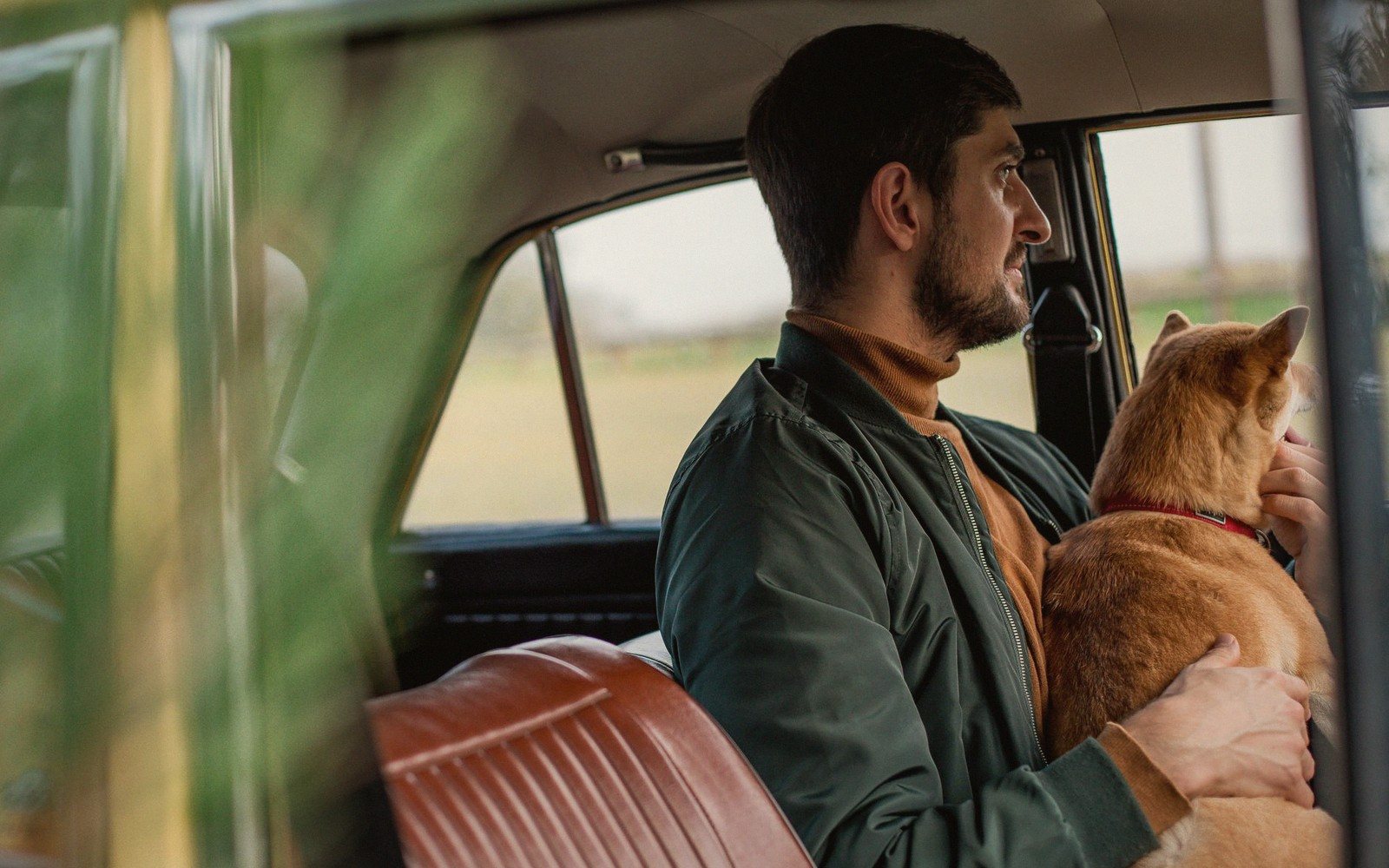
The single most useful change most people can make is position. Dogs travel better in the footwell behind the passenger seat or in a secured crate than loose on the back seat — lower down, the motion is gentler and there is less visual stimulation from moving scenery. A loose dog on a seat is also a safety risk: in a sudden stop, an unrestrained animal becomes a projectile. A short anchor harness or a crate wedged against the seat solves both problems at once.
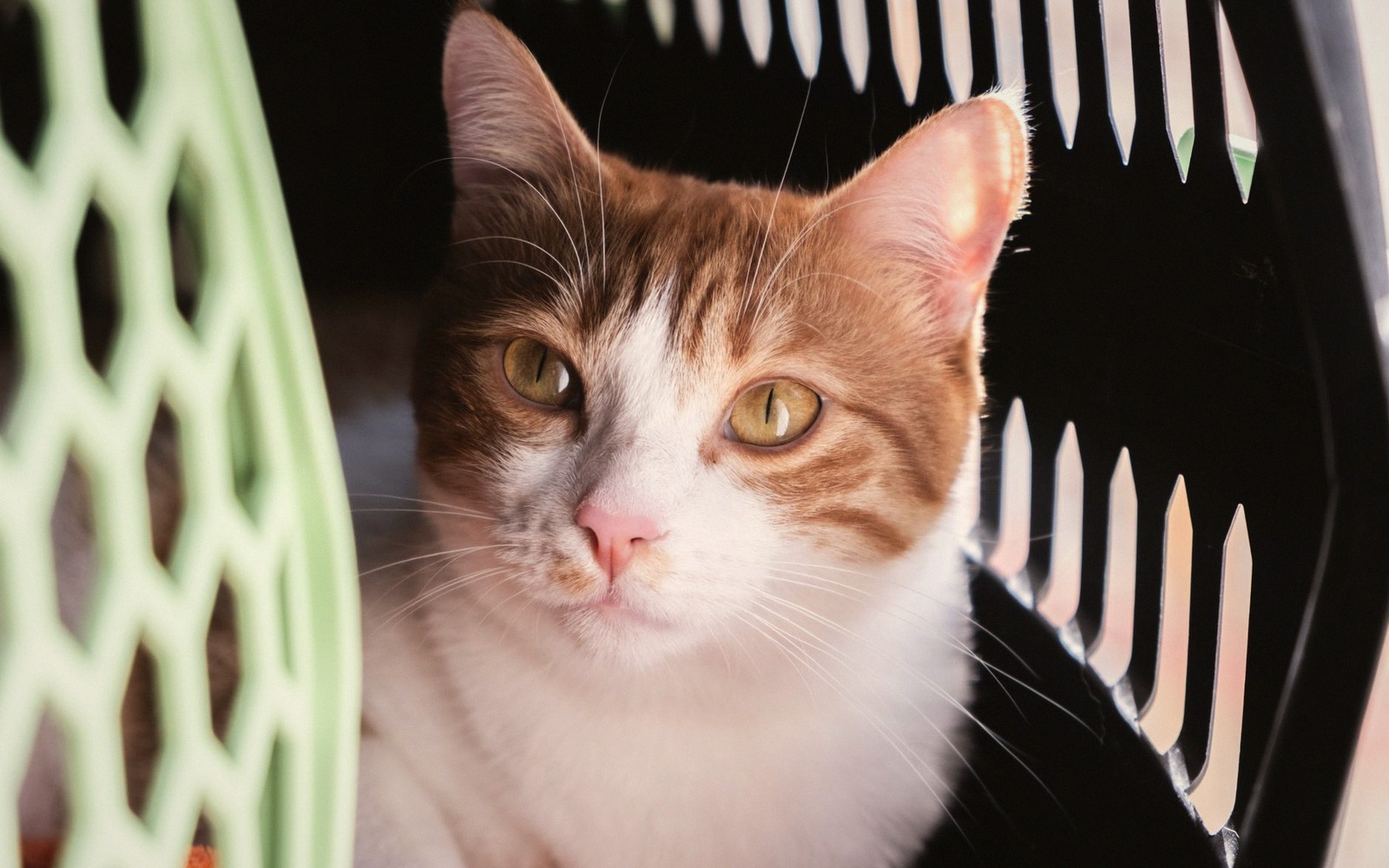
Cats and rabbits travel best in a carrier placed on the floor rather than on a seat. A seat has lateral movement; a floor position is more stable. Put a small blanket or a worn item of clothing inside the carrier — something that already smells of home — and drape a second towel over the top and sides. Darkness and familiar scent blunt anxiety more reliably than any gadget.
Temperature matters more than most owners realise. A car in summer heats rapidly even with windows cracked, and heat stress in a carrier can escalate quickly to something serious. Keep the air cool, direct a vent toward the carrier without blasting it directly at the animal, and for anything longer than a short drive in warm weather, bring a frozen water bottle wrapped in a cloth to set near — not against — the carrier. Never leave an animal in a parked car.
Small animals — guinea pigs, hamsters, birds — are acutely vulnerable to both heat and cold. Their carriers should be stable, secure and insulated from draughts, and a direct air-conditioning vent should never point straight at them.
No doses and no home remedies here: anything you give an animal should come from your own vet, for that animal.
The practice run
If an animal only ever enters a carrier when something medical is about to happen, the carrier itself becomes a signal for dread. Breaking that association takes time, but it works.
Leave the carrier out in the living space between appointments. Let a cat investigate it on its own terms; put treats or a favourite toy inside. For dogs, the same principle applies to the car itself: short trips that end at the park, not just the vet, gradually detach the car from the single outcome the dog has learned to expect. Even a trip around the block and back home counts if the dog gets out and gets fussed. Repetition is the mechanism — it takes more than one pleasant journey to undo a pattern of anxious ones, but each one chips away at it.
For animals with established travel anxiety — panting that starts before the engine is on, vocalising throughout, drooling heavily — it is worth raising the subject with your vet before the next appointment. There are options, from short-acting calming measures to more structured desensitisation, and your vet is the right person to advise on what suits your animal. Do not attempt to manage severe travel anxiety with human over-the-counter remedies; they are not the same thing.
The arrival
Pull up calmly. Give the animal a moment before you open the door — a minute of quiet after the engine stops helps many pets settle slightly before the next transition. Carry the carrier; do not drag it. Keep a dog on a short lead the moment any door opens, even in what looks like a quiet car park.
If your pet vomited, soiled the carrier, or seemed in genuine distress during the journey, mention it to the receptionist or the vet when you arrive. It is clinically relevant information — it speaks to how the animal tolerates stress — and it is the kind of detail that is easy to forget once you are in the room. Writing it down before you leave home takes thirty seconds and means it does not slip away under pressure.
The journey is the preamble. The less it costs your pet, the more resources they have left for everything that comes after.